Today, 24 June 2026, marks the fourth anniversary of the massacre at the Melilla border, an episode in which 37 people lost their lives, 76 disappeared, and nearly 500 were returned to Morocco without due guarantees. The lack of accountability at both the political and criminal levels has turned this case into a paradigmatic example of institutional racism and the systematic violation of human rights at the borders of the Spanish State.
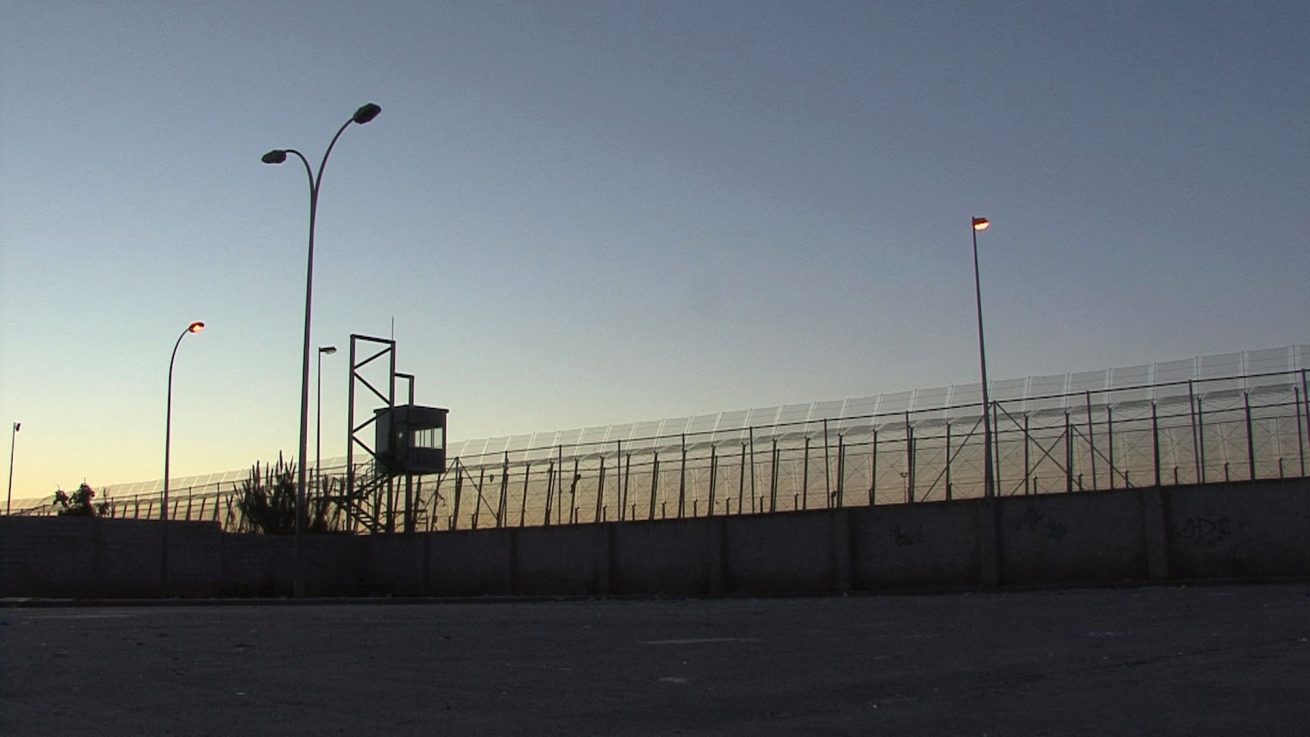
The events took place on 24 June 2022, when around two thousand people attempted to cross the fence separating Nador (Morocco) from Melilla (Spanish State). The police repression carried out by both countries resulted in numerous deaths and injuries. Although the Spanish Government officially recognises 23 deaths, several human rights organisations have raised the figure to 37. Meanwhile, Amnesty International considers that, given the circumstances following the events, the number of fatalities could exceed 100.
The organisation bases this estimate on testimonies collected after the massacre. Many people were transferred without receiving medical assistance, leading to deaths during transport, and were abandoned in remote areas far from the border without any guarantees. Other testimonies, according to CEAR, report that members of the Civil Guard continued beating injured individuals even after they were under police control.
Several organisations, including CEAR and Amnesty International, argue that the Spanish State violated the rights of those attempting to cross the border that day, both through the disproportionate use of force (including tear gas, pepper spray, stones, and rubber bullets) and through the subsequent “pushbacks”, which are permitted under the so-called “Gag Law” in Spanish legislation but are contrary to international law. A total of 470 migrants were immediately returned, in an action that UN rapporteurs described as a blatant violation of international law and an expression of border-based “systemic racism”.
These “pushbacks” consist of the expulsion of migrants or refugees without guaranteeing the rights established under the Convention Relating to the Status of Refugees.
Despite the seriousness of the events, Morocco did not allow the identification of those who died, nor did it investigate the violence carried out by its security forces. In the Spanish State, the Public Prosecutor’s Office closed the case in 2022, a decision that was strongly criticised by human rights organisations, which argued that it entrenched impunity for what happened that day.
What occurred that day, combined with the lack of a thorough investigation, constitutes a violation of the right to life and physical integrity; the right to seek asylum; the prohibition of torture and ill-treatment; the prohibition of collective expulsions; and the duty to provide assistance. It is yet another example of institutional racism and of how the militarisation of borders is increasingly taking precedence over international law.
Sources:
-
Amnistía Internacional (2024). Tragedia en la valla de Melilla: Un año de impunidad tras la masacre. https://www.es.amnesty.org/en-que-estamos/blog/historia/articulo/tragedia-en-la-valla-de-melilla-nunca-mas/
-
Diario Red (2025). A tres años de la masacre de Melilla: impunidad, contrato racial y violencia institucional. https://www.diario-red.com/articulo/espana/tres-anos-masacre-melilla-impunidad-contrato-racial-violencia-institucional/20250626094520050072.html
-
RTVE (2022). Marruecos eleva a 23 los muertos en el salto a la valla de Melilla. https://www.rtve.es/noticias/20220626/marruecos-eleva-a-23-muertos-salto-a-valla-melilla/2385440.shtml
-
Axencia da ONU para os Refuxiados (ACNUR) (2022). Convención sobre o Estatuto dos Refuxiados de 1951. https://www.acnur.org/media/convencion-sobre-el-estatuto-de-los-refugiados-de-1951
-
CEAR (Comisión Española de Ayuda al Refugiado) (2025). Masacre de Melilla: tres años de impunidad. https://www.cear.es/noticias/masacre-melilla-24-junio/
-
Amnistía Internacional (2022). ¿Qué son las devoluciones en caliente? 7 claves para entenderlas. https://www.es.amnesty.org/en-que-estamos/blog/historia/articulo/que-son-las-devoluciones-en-caliente-7-claves-para-comprenderlo/