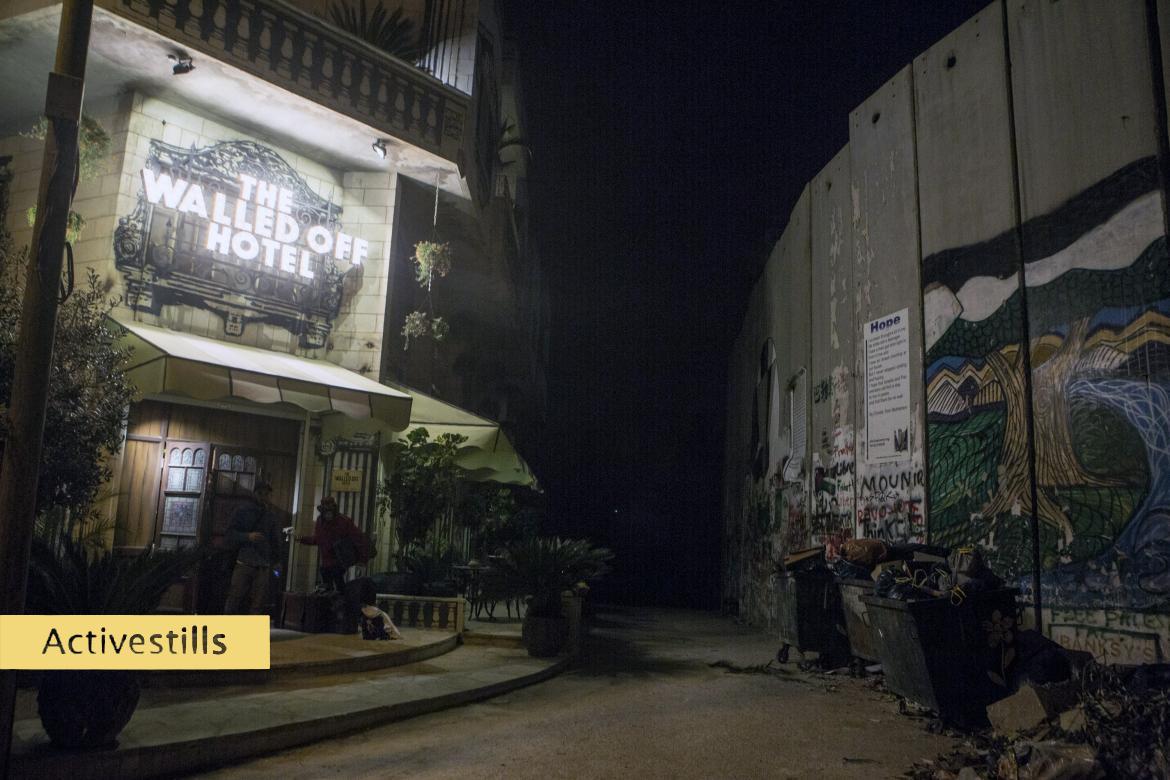
The Israeli occupation of the Palestinian territories has been consolidated since 1967 through a multifaceted strategy in which tourism plays an increasingly important role. Various human rights organizations report that tourism projects promoted as “cultural experiences” in illegal settlements help normalize the colonial presence, reshape the territory, and disconnect it from its indigenous Palestinian population.
For decades, Israeli and international tour operators have promoted routes in the West Bank and East Jerusalem that remove any reference to the occupation context. Visits to archaeological parks, biblical sites, or wineries located in settlements are presented as historical or spiritual journeys, concealing that many of these places are built on expropriated lands or depopulated Palestinian villages. Selective musealization thus becomes a political tool.
This model is sustained through three interconnected dynamics. First, material invisibilization, through urban and archaeological interventions that prioritize certain historical layers while relegating or erasing Palestinian-Arab heritage, especially in East Jerusalem. Second, the construction of narratives of dispossession, presenting Palestine as an empty land before Zionism, contradicting Ottoman records, mandates, and historical testimonies. Finally, the economic benefit: organizations like Amnesty International document that tourism revenues create material incentives that strengthen the viability of settlements.
The UN has repeatedly warned that economic activities in settlements, including tourism, can contribute to their maintenance and expansion, contrary to international humanitarian law. Each year, thousands of visitors participate in activities located in Israeli colonies in occupied territory, in a context where the Fourth Geneva Convention prohibits the transfer of the occupying power’s population.
Digital platforms such as Airbnb and Booking.com have been criticized for listing accommodations in settlements, despite human rights complaints and the existence of a UN database on companies involved in these practices.
In response, Palestinian groups promote ethical and community-based tourism initiatives, such as the Siraj Center, which aim to preserve and highlight Palestinian cultural heritage. Organizations like BADIL document how cultural erasure is part of a broader process of destroying the Palestinian character of cities.
In this context, the international community faces a clear responsibility: demand transparency, avoid economic complicity, and challenge narratives that turn occupation into a tourist destination. Decolonizing the gaze means remembering that beneath every “historic site” lies a layer of silenced memories.