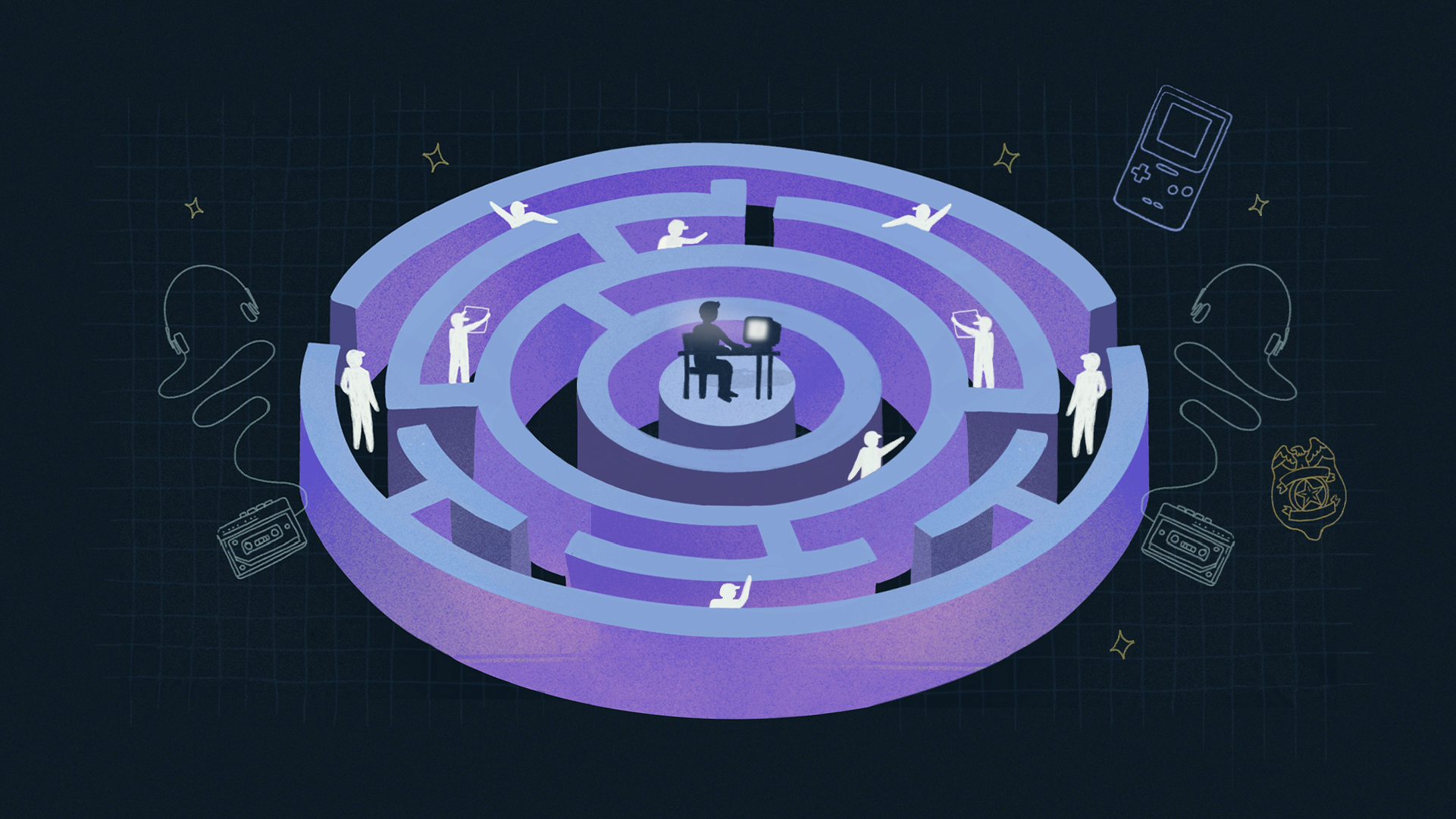
Since the consolidation of digital platforms at the beginning of the 21st century, algorithms have turned the internet into an architecture of surveillance and social conditioning. According to data from the Digital Enclosure report (2023), the top 10 technology conglomerates store the equivalent of 7,000 years of audiovisual content every day, analyzing it to create predictive profiles. This massive collection functions as the backbone of surveillance capitalism.
The impact on citizen autonomy is structural. Meta (Facebook, Instagram) and Google manage 73% of global web traffic, imposing invisible filters that prioritize content according to commercial interests. A 2021 Stanford University study showed that recommendation algorithms reduce information diversity by 42% compared to organic access. Freedom of choice becomes an illusion controlled by engagement metrics.
These systems are particularly burdensome in conflict contexts. During the 2021 Gaza War, YouTube algorithms removed 80% of videos with Arabic hashtags related to the offensive, according to analysis by 7amleh – The Arab Center for Social Media Advancement. Disproportionate policies that quickly became tools of strategic censorship.
Ante este panorama, surgen redes criptografadas y alternativas. Proyectos como Mastodon -basado en protocolos federados- o Blade runner -software anticontrol creado por ativistas tunecinos- demuestran que otra red es posible. A nivel legal, campañas como #BanSurveillanceAdvertising consiguieron prohibir la publicidad basada en rastreo en dos regiones de Bélgica (2022).
La resistencia también se organiza desde la educación tecnocomunal. Iniciativas como la Escuela de Debanque Algorítmico en Brasil entrenan a las comunidades en técnicas para identificar manipulaciones algorítmicas. Su manual “Agentes de la Desobediencia Digital” revela métodos prácticos para despistar los sistemas de rastreo.
El desafío queda claro: revertir el control corporativo requiere tecnopolitica anticapitalista. Como expone Shoshana Zuboff en su tratado A era del capitalismo de vigilancia, “lo que está en juego no es la privacidad, sino el poder para decidir quien define el futuro de las sociedades”.