The preservation of cultural identity has become a political act in the face of policies of subjugation in the occupied Palestinian territories. Up to 73% of families in Gaza and the West Bank use traditional activities as a vehicle for intergenerational transmission, according to research by the Palestine Heritage Center. This daily resistance takes place in a context where more than 54 historical monuments have been destroyed by the military since 1967 and 500 centuries-old olive trees have been uprooted in 2023 alone.
The Palestinian Arabic language remains a central axis of community cohesion through initiatives such as the “Camp Libraries” in refugee camps, which serve 35% of the child population. The dabke, a traditional dance, has been transformed into a collective act of resilience—groups such as Él-Funoun perform symbolic representations in front of military barricades, merging ancestral steps with contemporary protest. Festivals such as the strawberry festival in Beituniya and the olive festival in Jenin create self-managed spaces that systematically revive local economies under restrictions on movement.
Tatreez embroidery became a mobile historical archive. With the collaboration of the Palestinian Museum, more than 1,200 traditional patterns were catalogued and disseminated through workshops in 30 communities, creating economic networks led by women, who account for 82% of this craft sector. Each stitch symbolizes resistance: the cypress tree designs evoke vanished villages, while the broken lines represent the path of exile.
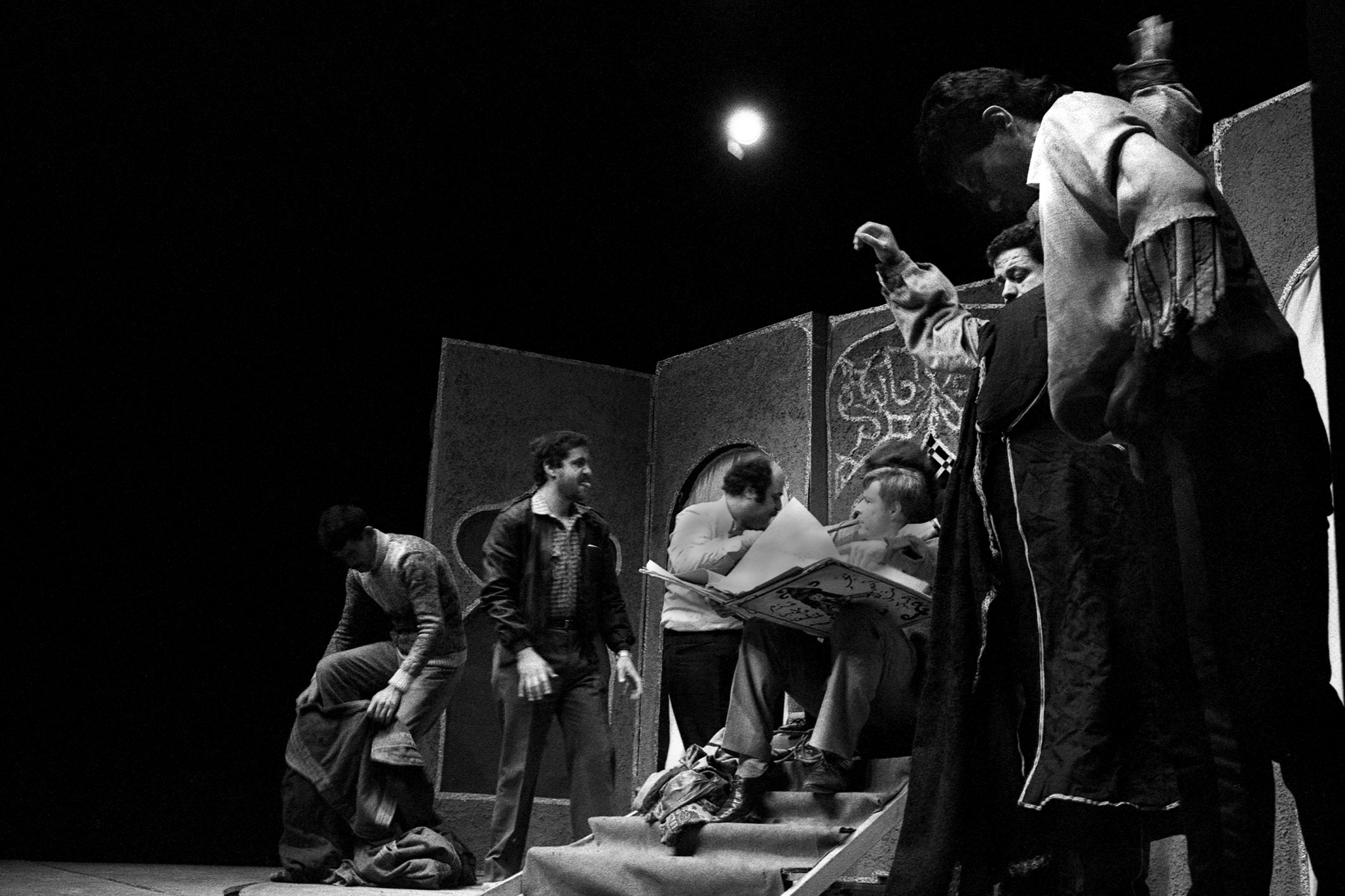
Organizations such as Al-Hakawati Theatre developed unique teaching methodologies, using puppet theater to help children in Gaza process war trauma. Simultaneously, musical collectives such as WAED teach oud to new victims of projectile wounds, transforming prostheses into instruments of artistic creation in the “Limb Orchestra” initiative.
Palestinian cultural resistance manifests itself through theater, music, cinema, and gastronomy as tools of expression, community care, and denunciation under occupation. Institutions such as the Palestinian National Theater (Al-Hakawati) and Ashtar Theater develop stage projects that document daily life, structural violence, and collective memory, including works created by and for children. These practices transcend the territory through the diaspora, with performances, festivals, and cultural #action in Latin America, Europe, and the Arab world.