
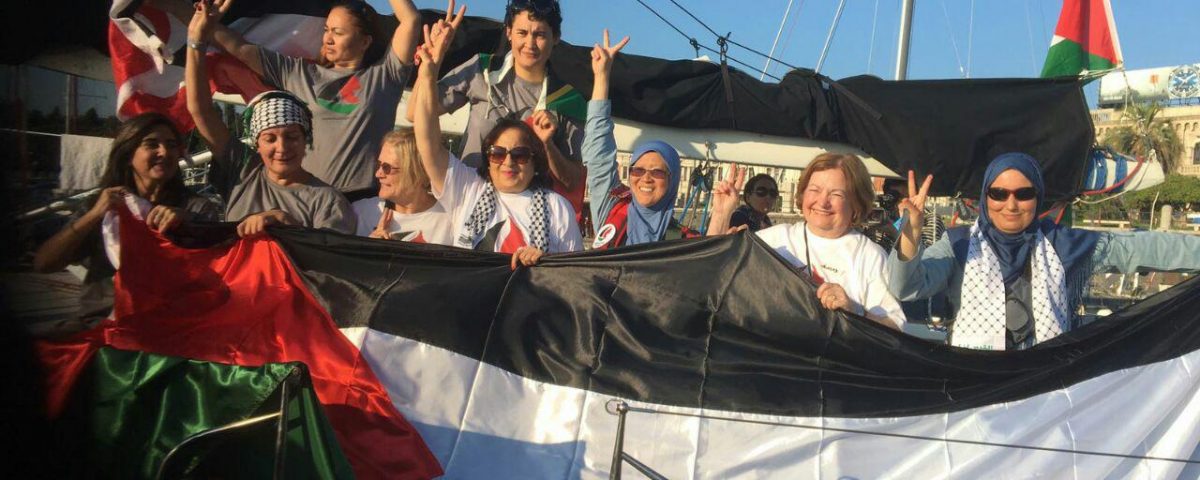
Since 2008, international civil initiatives have attempted to break the blockade imposed on the Gaza Strip through direct nonviolent action by sea. These flotillas, promoted by coalitions of activists, humanitarian organizations, and solidarity movements from different countries, seek both to bring symbolic aid and to denounce the illegality of the blockade and the inaction of the international community.
The Israeli military intervention against the Mavi Marmara flotilla in 2010 marked a turning point. The boarding of the ship in international waters resulted in the deaths of ten activists and sparked strong international condemnation, as well as United Nations reports questioning the legality of the use of force. However, this did not translate into effective sanctions or the lifting of the blockade.
Since then, other civilian vessels have been intercepted before reaching Gaza, repeating a pattern of repression of civil disobedience initiatives at sea. Many of the participating activists were detained, deported, or subjected to legal proceedings, sometimes supported by international networks of lawyers and human rights organizations.
Some campaigns linked to the flotillas also incorporated economic and symbolic dimensions, such as projects aimed at highlighting Palestinian self-sufficiency and denouncing restrictions on the movement of goods and people. These actions connect with the global Boycott, Divestment, and Sanctions (BDS) movement, which seeks to exert citizen pressure where institutional mechanisms fail.
The main impact of the flotillas lies not so much in their material capacity to break the blockade, but in their communicative and political power: to make the blockade of Gaza a visible issue, to internationalize the denunciation, and to construct an iconography of civil resistance to occupation and collective punishment.