
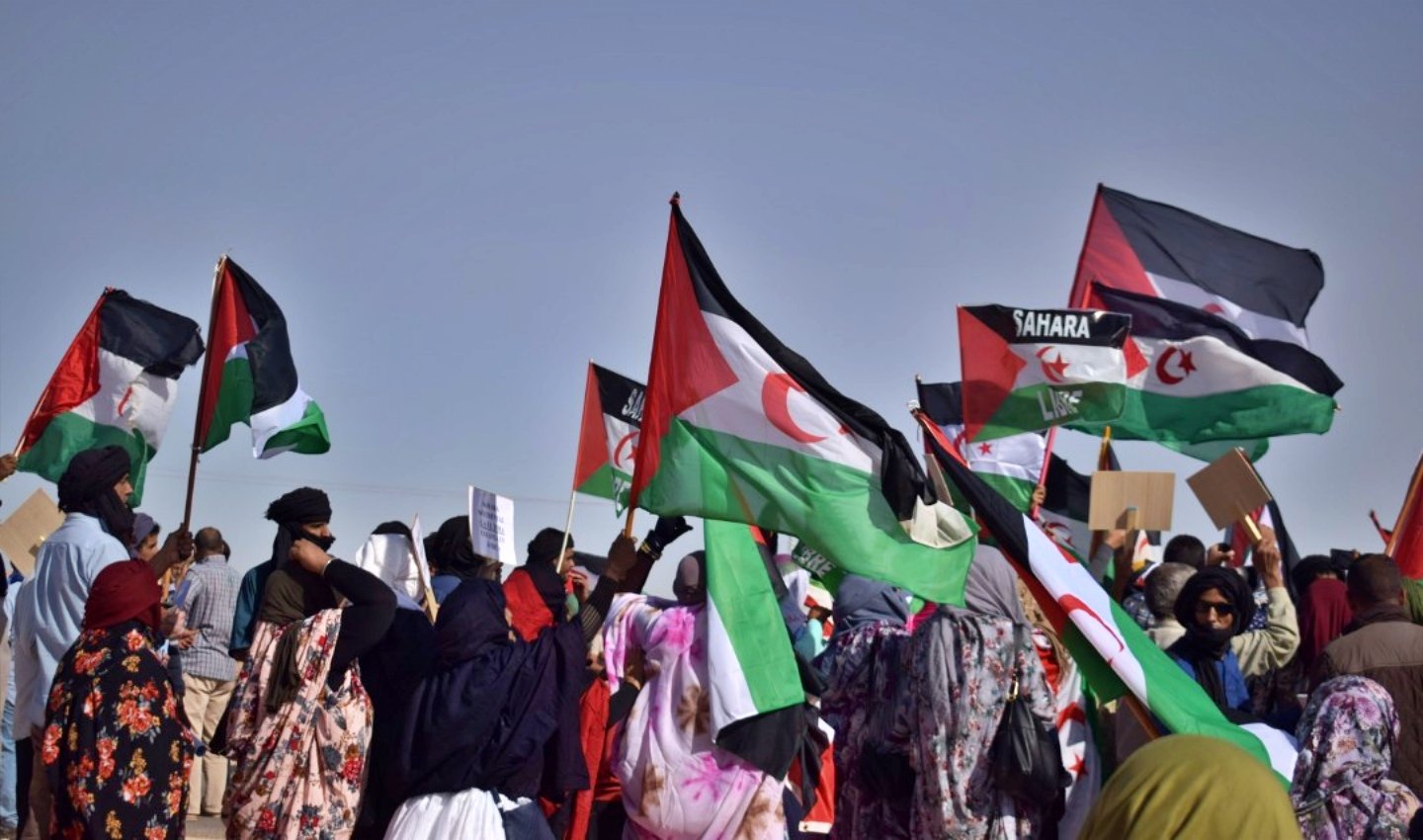
The Moroccan occupation of Western Sahara constitutes a prolonged violation of international law, with France playing a strategic role as Morocco’s political and economic ally. This analysis examines how the French state, through its veto in the UN Security Council and its trade agreements with Rabat, perpetuates the suffering of the Sahrawi people.
French corporate operations in the illegal exploitation of natural resources in the occupied territory, particularly phosphates and fisheries, have been documented. These activities are in clear contravention of rulings by the Court of Justice of the European Union. This dynamic illustrates a neocolonial alliance that prioritizes geopolitical interests over the legitimacy of the Polisario Front and the pending self-determination referendum, which has been on hold since 1991.
In parallel, Paris’s tactical support for the militarization of the Moroccan wall is evident, through arms sales and intelligence assistance that strengthen repression in the occupied territories. This policy contradicts formal statements on human rights and evidence of documented crimes by organizations such as Amnesty International.
To the above, we can add the role of other powers like Spain, the former colonial power, which maintains a structural complicity under the guise of “active neutrality.” Its collusion is materialized in energy and security agreements, particularly the Maghreb–Europe Gas Pipeline and border cooperation, which reinforce corporate interests to the detriment of Sahrawi rights. The United States and the European Union complement this axis of oppression through commercial treaties that legitimize the exploitation of the occupied territory while silencing systematic violations. This network of transnational alliances exposes an imperial architecture where transnational capital and states of the Global North subsidize the occupation through extractivist diplomacy, coordinating media disinformation and sabotaging any real initiative for self-determination.
Historical responsibility demands international pressure to break this complicity. Understanding these mechanisms is fundamental to dismantling narratives of neutrality and activating networks of solidarity in resistance with the Sahrawi struggle, in line with the anti-colonial commitment that articulates global actions for justice.