-
Every April 17, peasant and rural organizations around the world commemorate the International Day of Peasant Struggles. The date marks the Eldorado do Carajás Massacre, which occurred in 1996 in Brazil, when 21 landless rural workers were killed by the military police. The international movement La Vía Campesina established this day to denounce structural violence in rural areas and to advocate for food sovereignty.
The problems faced by the peasantry include land grabbing, agribusiness, job insecurity, and the effects of climate change. In Haiti, the Papaye Peasant Movement (MPP) has denounced the seizure of community farms. In El Salvador, the Tutalyu Agroecological School promotes the training of women in agroecology and the defense of native seeds. In Uganda, local organizations are demanding the implementation of the United Nations Declaration on the Rights of Peasants (UNDROP). In Brazil, alliances such as the “Teia dos Povos” bring together indigenous people, peasants, and gatherers to curb extractivism and build food sovereignty.
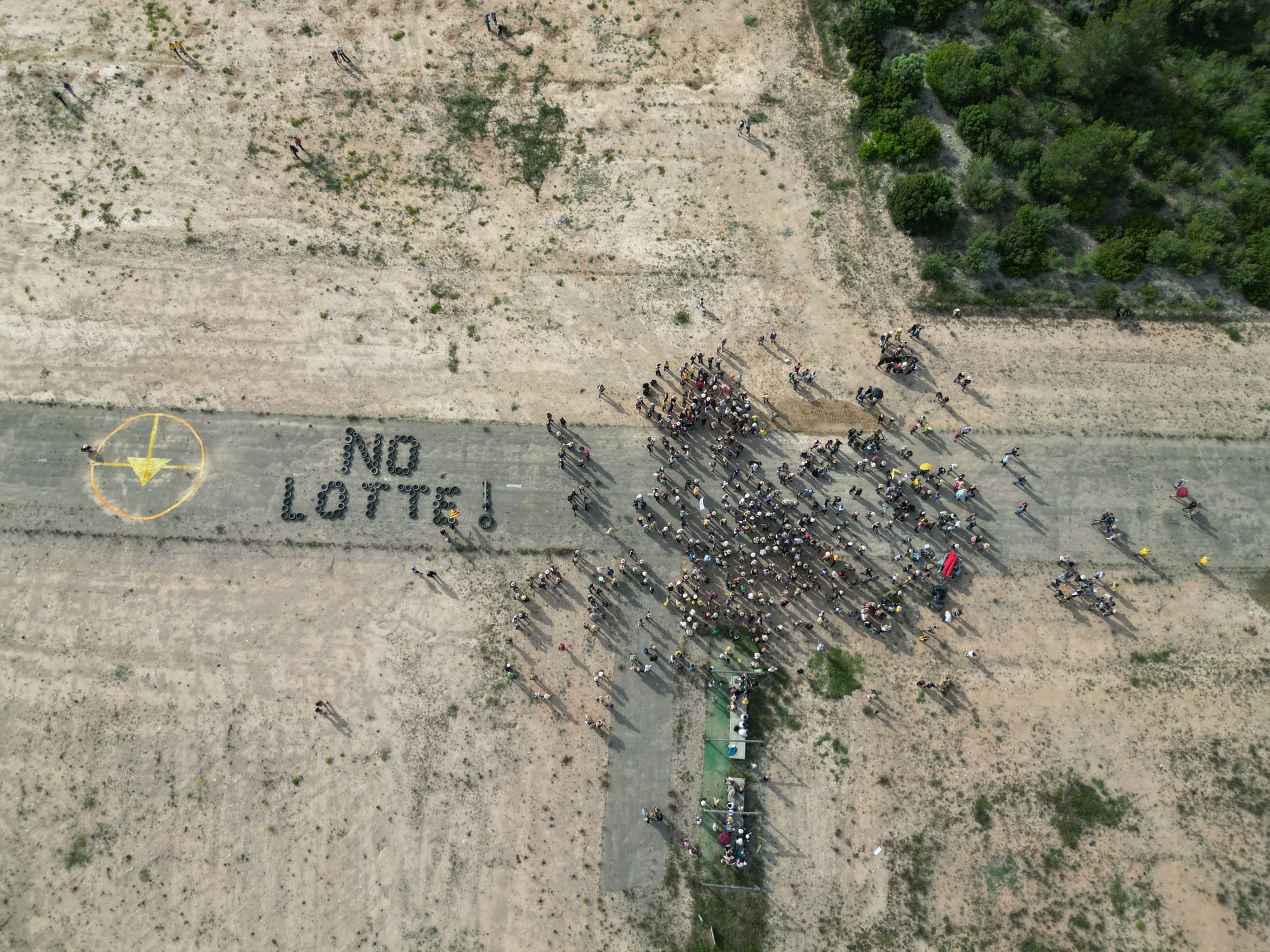
In France, the collective “Les Soulèvements de la Terre” (The Earth Uprisings) has since 2021 organized opposition to mega-infrastructure projects like reservoirs and highways through non-violent civil disobedience actions. The French government attempted to dissolve it in 2023, but the Council of State annulled the measure, finding no evidence of incitement to violence. In the Spanish State, the convergence between the peasant and environmental movements has precedents such as the “Andalusian Pact for Nature” of 1985, which led to the approval of the Andalusian Forest Plan. Currently, the platform “Nos Plantamos” (We Take a Stand) mobilizes small-scale producers in defense of biodiversity and against the agro-industrial model. In Catalonia, “Revoltes de la Terra” (Earth Uprisings) follows the spirit of Les Soulèvements, coordinating dozens of environmental and rural collectives and associations to take a stand against ecocidal mega-projects in the territory.
Agroecology is consolidating as a response to the climate and food crisis. Social movements promote a “popular environmentalism” that defends the territory through community practices. The struggles for land and the defense of ecosystems are part of the same demand: guaranteeing life in rural areas and food sovereignty against corporate interests.
References
-
La Vía Campesina. Press release “17A 2025: ¡Tierra, agua y territorios para la vida, no para el negocio!”. May 2025.
-
Heinrich-Böll-Stiftung. “Redes agroecológicas en América Latina”. 2024.
-
Ecología Política. “Alianzas socio-territoriales en Brasil: de la Aliança dos Povos da Floresta a la Teia dos Povos”. 2023.
-
HAL-SHS. “La genèse des AMAP en France: une alliance entre paysans, écologistes et consommateurs”. 2022.
-
Repositori Universitat Jaume I. “Ecologismo popular y campesino: el caso del Pacto Andaluz por la Naturaleza y la plataforma Nos Plantamos”. 2024.
-
Le Monde. Le Conseil d’Etat annule la dissolution des Soulèvements de la Terre. https://www.lemonde.fr/societe/article/2023/11/09/le-conseil-d-etat-annule-la-dissolution-des-soulevements-de-la-terre_6199172_3224.html 2023
-