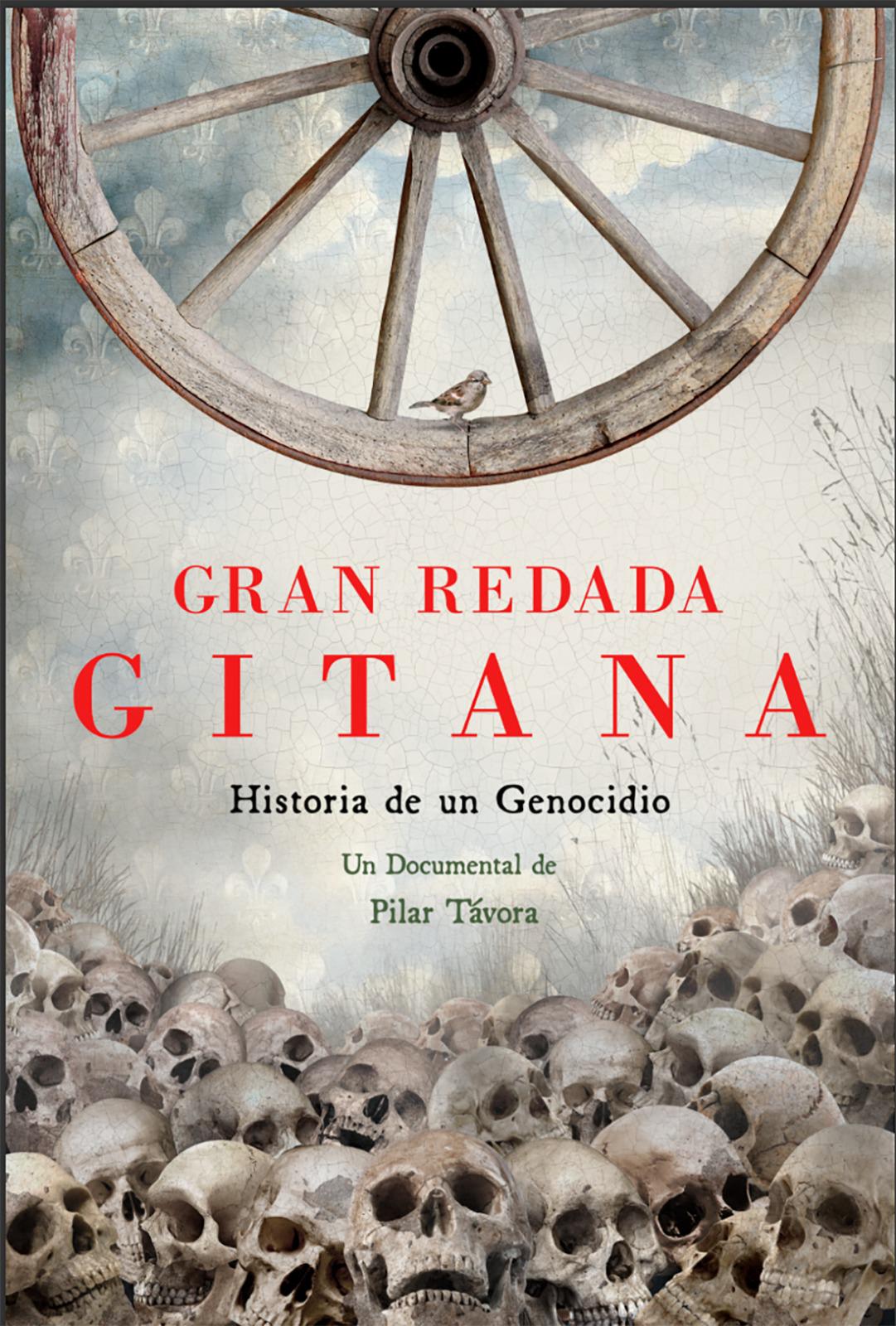
The night of 30th–31st July 1749 could be considered the darkest night in Spanish history. And yet, it is rarely studied in university classes or mentioned in official textbooks. That night, between ten and twelve thousand Roma people were captured and enslaved for life. The documentary “La Gran Redada: Historia de un Genocidio”, by Pilar Távora, available on RTVE Play, sheds some light on the history of the Roma people in Spain.
The documentary explains how the Marquis of Ensenada, with the backing of King Ferdinand VI and the Church, and even with the blessing of Pope Benedict XIV, devised an expulsion plan that eventually turned into a biological extermination plan: in a secret operation, they arrested thousands of Roma families and seized all their belongings. They also separated the men from the women to prevent them from reproducing.
The men were sent to the galleys or to the Almadén mercury mines, becoming slave labour to support Spain’s expansionist and colonial ambitions. The women were imprisoned, many of them in the Alcazaba of Málaga, which became a concentration camp. The Roma women fought back with whatever they had: their bodies and their clothes. They used their nakedness to shame the priests, sabotaged wells with items of clothing, and escaped as best they could. Rosa Cortés led one of the most famous escape attempts, opening a hole in a wall with a nail and water, and leading more than fifty women to safety.
The genocide did not succeed, but thousands of people died and their lives were shattered. The impact of the Great Raid on the Roma people was enormous, and persists to this day, shaping their relationship with authority and public life for centuries. But they could not destroy the Roma people or their identity. The Roma people set an example of resistance that endures to this day.
Link to the documentary: https://www.rtve.es/play/videos/la-gran-redada-historia-de-un-genocidio/