
Financial speculation in housing was one of the main triggers of the global economic crisis of 2008. The process began in the U.S. mortgage market with the expansion of subprime loans, intended for individuals with a high risk of default. These loans were transformed into securities and sold internationally, spreading risk throughout the financial system.
The crisis also highlighted the impact of stock options as a perverse incentive for bank management. Executives at financial institutions, motivated by short-term performance-based compensation, took excessive risks in high-risk mortgages and derivative products, contributing to the accumulation of toxic assets and systemic vulnerability.
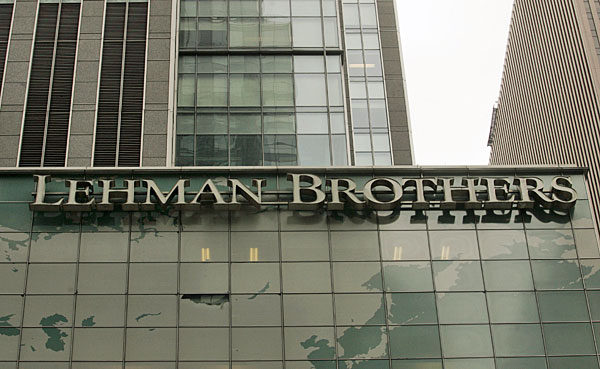
The final collapse occurred on September 15, 2008, with the bankruptcy of Lehman Brothers. The firm held toxic assets and engaged in risky practices such as massive securitization without sufficient guarantees. The U.S. government’s refusal to bail it out caused the largest bankruptcy in history at that time, leaving 25,000 employees unemployed.
The domino effect quickly impacted the real economy: credit restrictions, stock market collapse, and mortgage foreclosures. African American and Latino families were the most affected, losing homes and accumulated wealth, a situation that later spread to other states. Research documented how savers in minority communities suffered from discriminatory lending practices.
The crisis revealed the fragility of the financial system and the financialization of the housing sector, as well as the risks associated with stock option-based incentives. Various reforms, such as the Dodd-Frank Act, sought to strengthen oversight, yet inequalities in access to credit and housing persist, transferring banking sector losses to the public system and demonstrating the negative effects of financial speculation, and of treating housing as a commodity rather than a right to protect.