August 9 marks the International Day of U.S. Crimes against Humanity, a commemoration promoted by Latin American intellectuals, artists, and social movements to denounce the systematic violations of human rights and international law committed against peoples by the United States of America across all continents. The initiative arose in 2017 at the hands of journalists and intellectuals and is supported and promoted by numerous human rights organizations and institutions.
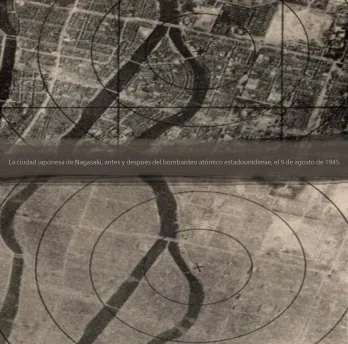
The date is not arbitrary: although it is difficult to find a date on which this country has not committed an invasion, bombing, or covert coup d’état, this date was chosen in remembrance of the dropping of the second atomic bomb on the Japanese city of Nagasaki on August 9, 1945, three days after the attack on Hiroshima. These bombings, which caused some 200,000 deaths, mostly civilians, are one of the most emblematic examples of U.S. state terrorism.
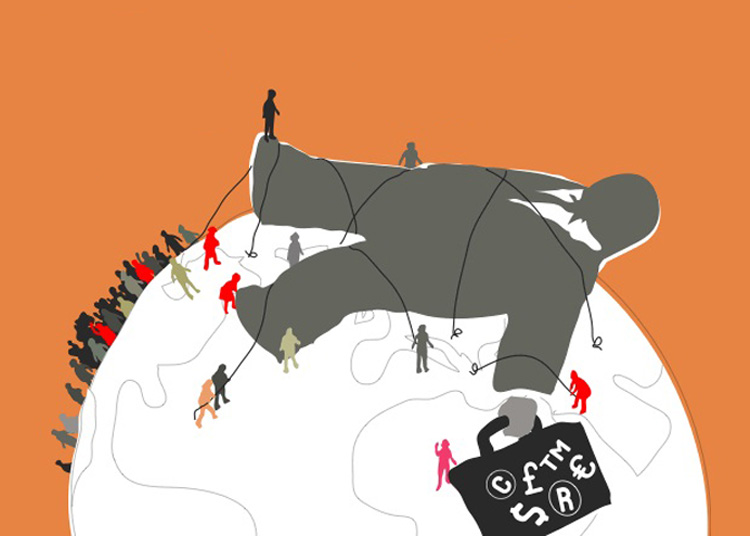
It should be stressed that although other imperialist countries (France, the United Kingdom, Israel, to name a few) have committed crimes against humanity, the United States surpasses all others in the number, systematization, and scope of its atrocities. The responsibility of this country as the hegemon is perhaps greater, as it has organized systematic social devastation in Latin America, Asia, and Africa, funded dictatorships, tortured, and trained torturers.
For example, the U.S. has intervened on more than 65 occasions in Latin America, in 20 countries, 36 of them with military actions. Many times these interferences are intended to be covert, such as the Phoenix Program in Southeast Asia or Plan Cóndor in Latin America, and the blockade against Cuba. It also reinforces militarism with tools such as NATO, while ignoring or instrumentalizing international institutions and treaties.
Although the date was well received by the Latin American population since the then-president of Bolivia, Evo Morales, spread the campaign in 2018, it still has little following in countries that are de facto subordinate powers.
The commemoration of August 9 is not a celebration, but an act of historical memory and political denunciation. Making these crimes visible is a tool to counter the official U.S. narrative as a “defender of democracy” and to warn about the risks of its unilateralism and militarism, which degrade international coexistence and prevent the construction of a just and peaceful world order.