
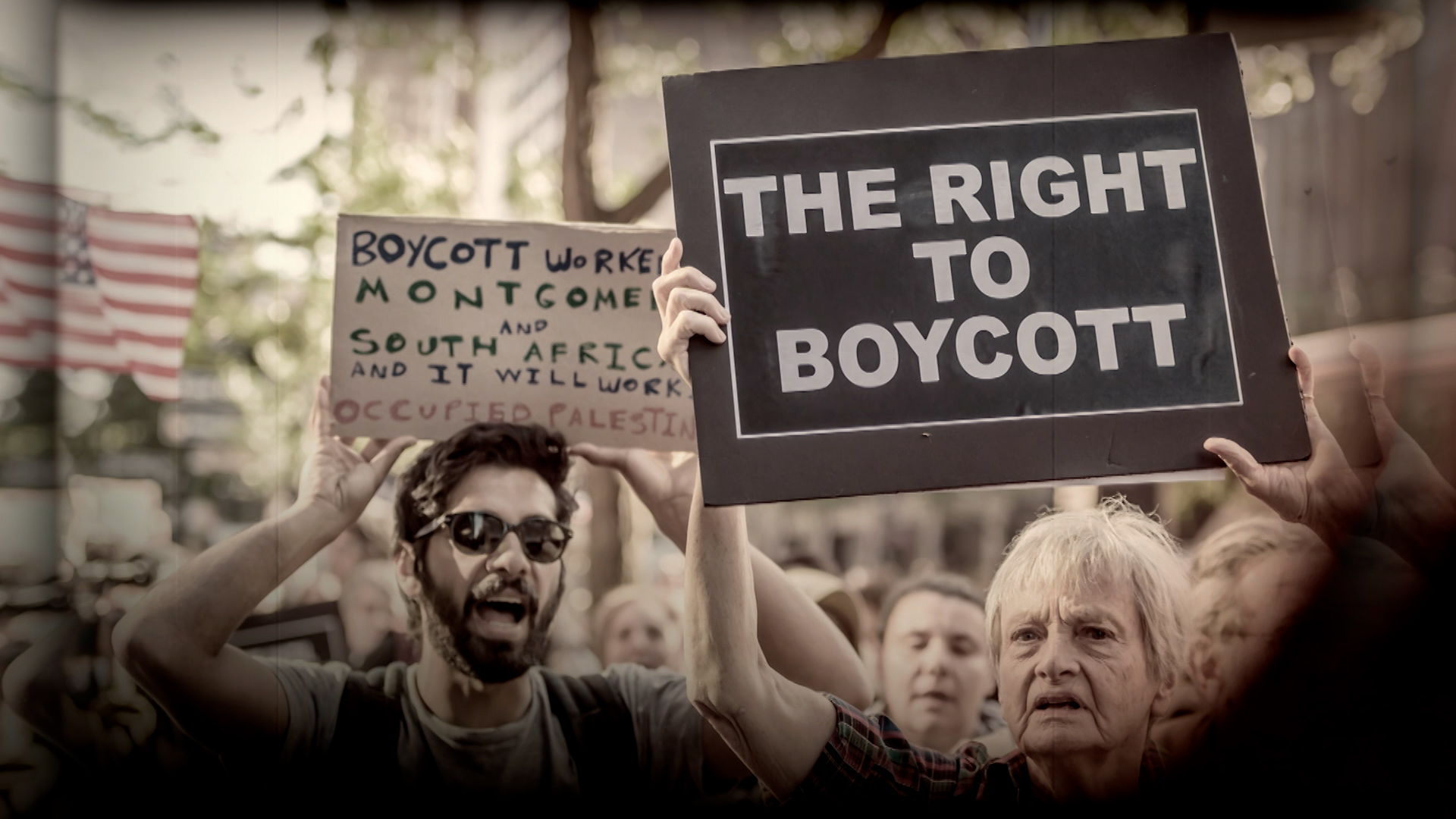
A boycott is a collective, organized action involving the voluntary refusal to engage in commercial, social, or political relations with a person, company, or institution as a form of protest. Its goal is to exert pressure to achieve change. It falls within the methods of nonviolent direct action, based on the withdrawal of usual cooperation.
The origin of the term dates back to Ireland in 1880, when Charles Cunningham Boycott, an agent for an English landowner, was subjected to social and economic ostracism by the Irish Land League for refusing to reduce rents for farmers.
The community completely isolated him: no one worked for him, traded with him, or served him, with workers from neighboring lands even joining in. The surname “Boycott” thus became a common noun to describe this type of organized pressure.
There are several types of boycotts depending on their purpose. Consumer boycotts encourage people not to buy certain products, as happened with non-union California grapes led by César Chávez and Dolores Huerta (1965-1970), or with the campaign against Nestlé (1977-1984) over the aggressive marketing of infant formula in impoverished countries.
Institutional boycott or divestment was decisive against the apartheid regime in South Africa, where students and universities withdrew their capital. Social or sports boycotts also isolated South Africa internationally, excluding it from sports competitions for more than two decades.
The effectiveness of the boycott has historically been demonstrated as a tool for transformation. The Montgomery bus boycott (1955-1956), sparked by the arrest of Rosa Parks, lasted 381 days and achieved the United States Supreme Court’s declaration that segregation on public transportation was unconstitutional. Economic pressure (Black passengers accounted for nearly 75% of riders) was decisive.
Today, a paradigmatic example is the BDS movement (boycott, divestment and sanctions), an international campaign to pressure the illegitimate state of Israel to comply with international law, following the aforementioned example of the anti-apartheid movement in South Africa. In addition to divestment (calling on investment funds, universities, or institutions to withdraw their capital from companies complicit in violations of international law) and sanctions (demanding governments suspend military and cooperation agreements with Israel), the boycott urges people not to buy products of Israeli origin and to sever ties with companies that benefit from the occupation of Palestinian territories. Despite being repressed and persecuted, this movement has achieved significant victories: several multinationals, such as Veolia, Orange, and CRH, have withdrawn from the Israeli market due to pressure campaigns.
In all these cases, the common factor is peaceful citizen organization and the ability to impact the income of the opposing party to force change.
To understand the boycott, it is necessary to distinguish it from other forms of pressure. It is not a sanction imposed by a government, nor corporate or institutional divestment, but rather an initiative of civil society. Its strength lies in voluntary and massive participation. When thousands of people decide not to buy a product or not to cooperate with an entity, they send a clear message: unjust practices have real consequences.