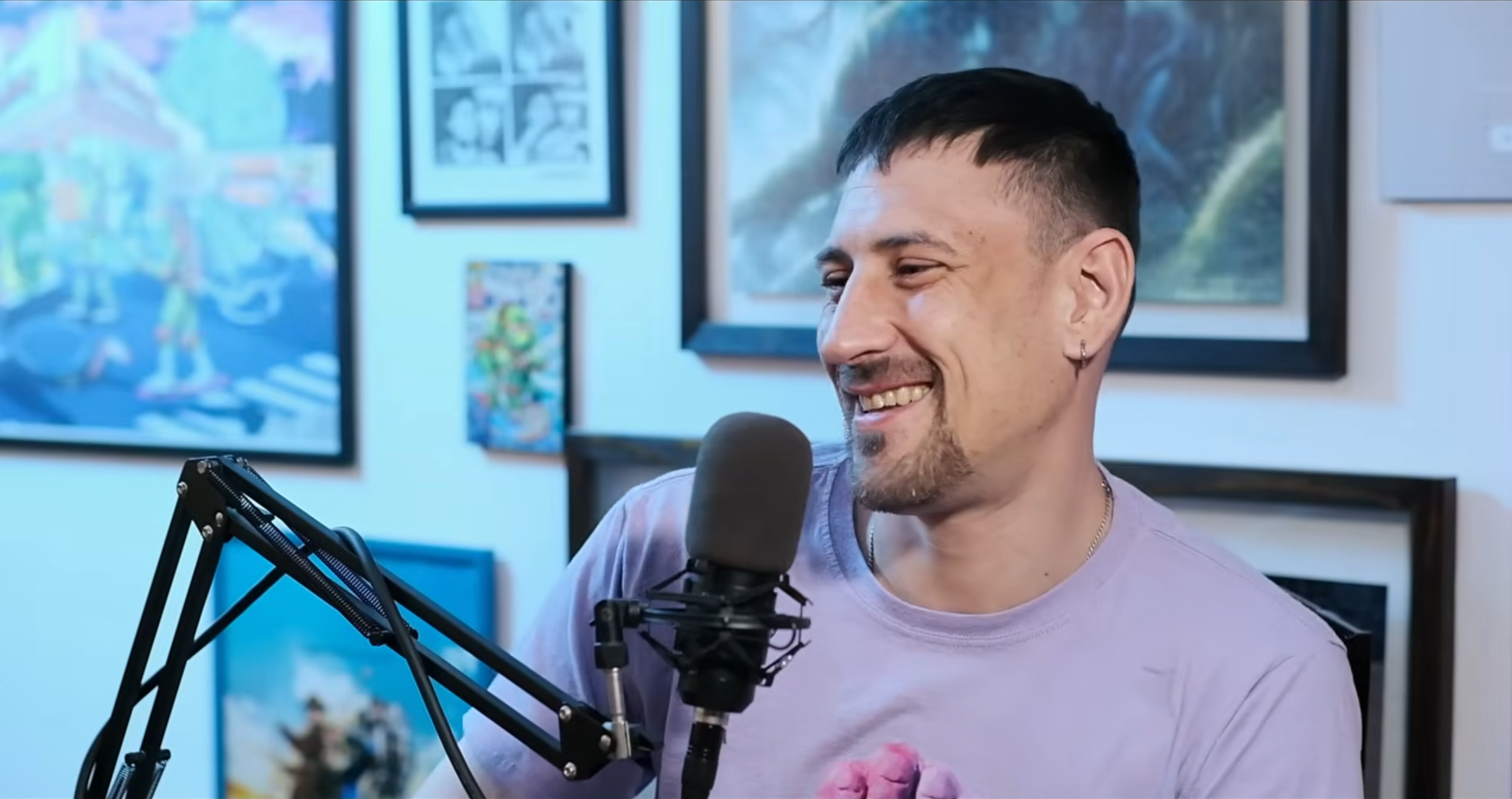
The platform “Zoowoman”, run by the YouTuber known as “El Feo”, was born with a clear goal: to rescue and share out‑of‑print cinema – films that producers had abandoned and that were no longer in commercial circulation. With no advertising, no subscriptions and no direct economic benefit, the repository hosted links to nearly 11,000 titles, even used as reference material in universities in Latin America and Spain. The project, together with the channel “La Filmoteca Maldita” (over 250,000 subscribers), represented an effort to preserve cultural memory against the oblivion imposed by market logic.
In October 2021, five riot police officers broke into the creator’s home in Burgos in an operation that drew massive media attention. After spending a night in a police cell, “El Feo” was charged with a crime against intellectual property by EGEDA (the Spanish Audiovisual Producers’ Rights Management Association), chaired by the magnate Enrique Cerezo, who is also president of the Atlético de Madrid football club. The public prosecutor requested two and a half years in prison and compensation of €870,000, as well as the complete erasure of his digital footprint. The accusation was based on the 2015 reform of the Criminal Code, which does not require direct profit, but merely an “indirect” benefit – which in this case was supported by donations worth €12,000 over four years.
Enrique Cerezo is also the owner of “Enrique Cerezo Producciones Cinematográficas” and “Video Mercury Films”, the television channel “8madrid TV”, and the “Conde Duque‑Verdi” cinema chain. A media empire that translates into control of 70% of what is considered Spanish cinema, which allowed him to found the streaming service “FlixOlé”, where the content previously compiled on Zoowoman can now be found behind a paywall.
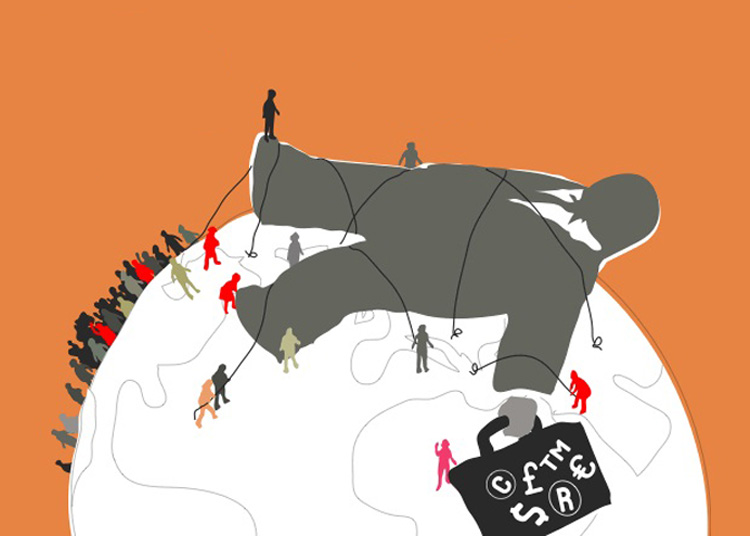
The legal and social debate arising from this case goes far beyond the defendant. The underlying question is whether copyright should be a control mechanism that restricts access to culture in favour of private commercial exploitation, or whether, on the contrary, culture as a collective heritage deserves alternative channels for dissemination. The phenomenon of “Lost Media” (inaccessible works) takes on a critical dimension here: when a film disappears from platforms, so does the chance for new generations to discover it. Zoowoman filled that gap without competing with large corporations, but rather by complementing a void that the market neglects.
The request for imprisonment for a non‑profit disseminator has been seen as disproportionate by many sectors, who view this case as an attempt to criminalise any initiative outside the big entertainment monopolies. The offer of a deal (reducing the sentence to one year in exchange for paying €100,000) was rejected by the accused, who chose to take the case to trial. The outcome will set a landmark precedent on the limits of intellectual property in the digital age and on who has the right to preserve and disseminate cinematic heritage. Meanwhile, the community of cinephiles and defenders of free culture remains attentive, aware that what is at stake is the very concept of shared memory. The project continues to be active at https://zoowomaniacos.org/, demonstrating the community’s determination to keep film culture alive despite judicial pressure. From this space, a call is made to stand in solidarity with “El Feo” and to learn more about the case, because defending cultural memory is everyone’s responsibility.
Sources:
-
TorrentFreak (2026). Spanish Film Archivist Faces Prison and €870,000 Fine Over ‘Non‑Commercial’ Movie Site. https://torrentfreak.com/spanish-film-archivist-faces-prison-and-e870000-fine-over-non-commercial-movie-site/
-
Xataka (2026). The most powerful person in Spanish cinema has spent years pushing for a streamer to go to prison and pay €800,000. https://www.xataka.com/cine-y-tv/870-000-euros-dos-anos-carcel-rescatar-cine-descatalogado-enrique-cerezo-demanda-a-web-animo-lucro
-
El Imparcial (2026). He created a website to watch forgotten films for free and now faces a lawsuit for over 16 million pesos and the threat of prison. https://www.elimparcial.com/mundo/2026/04/15/creo-una-web-para-ver-peliculas-olvidadas-sin-cobrar-y-ahora-enfrenta-una-demanda-de-mas-de-16-millones-de-pesos-y-la-amenaza-de-ir-a-prision/
-
Diario Socialista (2026). Film capital seeks prison and €870,000 against the promoter of the ‘Zoowoman’ website. https://diariosocialista.net/2026/04/09/el-capital-cinematografico-pide-carcel-y-870-000-euros-contra-el-impulsor-de-la-web-zoowoman/